
Arriving: Year 3
Berlin diary entries from 2024, translated
Below is the next batch of my emigration diary entries, translated and illustrated with my photos of Berlin from the corresponding year. Two previous batches: 2022 and 2023.
Unfortunately, 2024 was not easier than the two years before. Layoffs at work happened again. I had several friend break-ups with people I grew emotionally attached to, and so I felt lonely. It felt like I couldn’t get to steady ground despite putting a lot of effort. I didn’t travel or take vacations; I have no one to travel with, and it is lonelier in another country than in my own apartment. I took my Fridays off, using leftover vacation days, and kept looking for friends.
I took a German B1 exam and passed, then the Einbürgerungstest and passed — now I was ready to submit more papers for permanent residency. Sometimes people got it in a couple of months, but I waited nearly a year (it’s a lottery). I was exhausted and insecure.
At the same time, I tried to find fun things outside of work, documents, or learning German. I worked on my Green Wall project. I found my yoga school. I watched one of my favorite movies, “Some Like It Hot”, on the big screen for the first time in my life. On a guided tour, I learned that its director, Billy Wilder, lived in Berlin during the Weimar era. It was now clear where he drew his inspiration from, and I felt closer to my favorite movie.
January 17
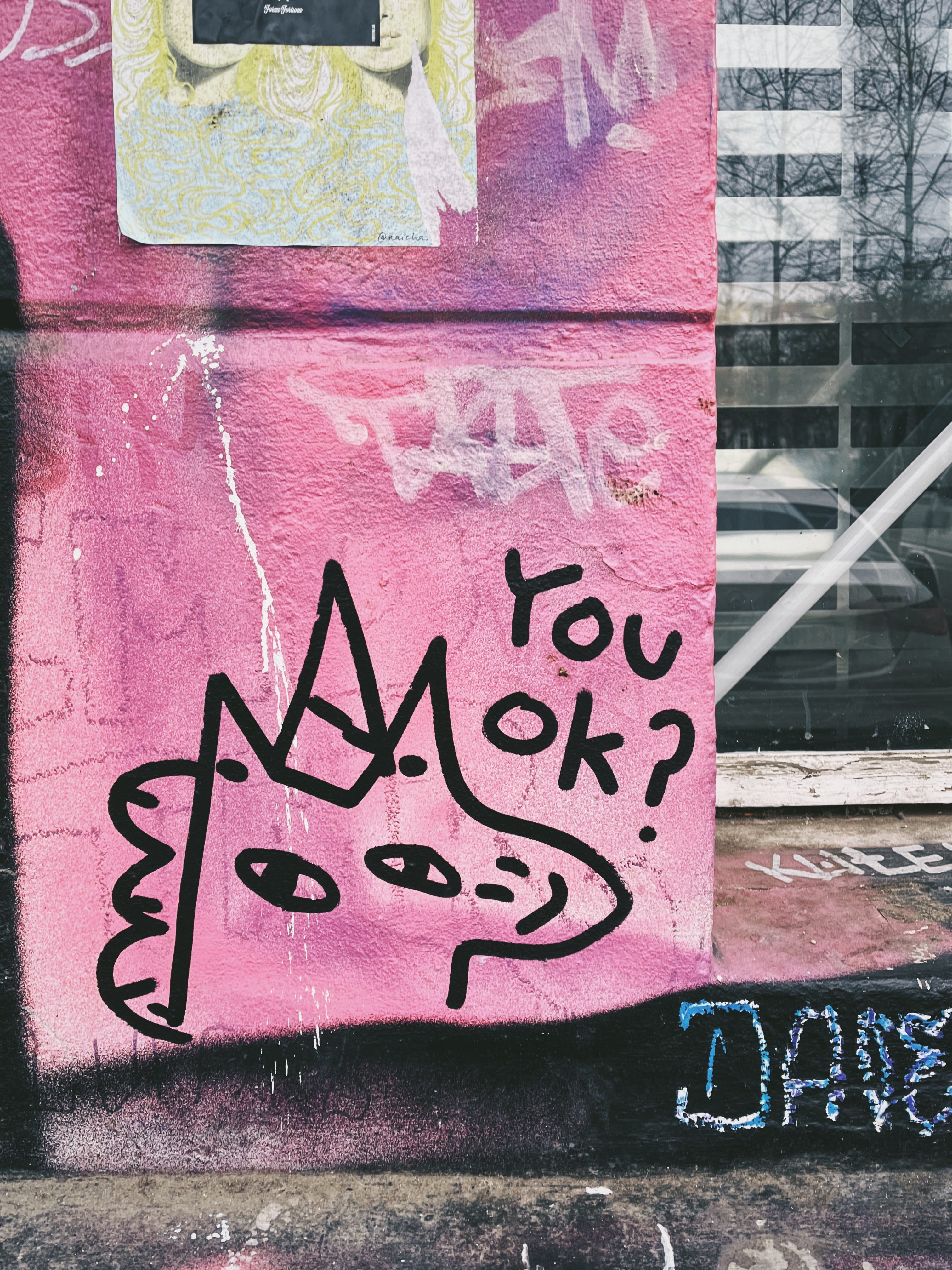
Layoffs are in full swing. It’s the hardest for people with work visas. If you don’t have a strong passport, after losing a job, you have only a couple of months to land a new offer; otherwise, you have to leave the country. For my team members and me, it could also mean that we need to leave the EU. Some of us have nowhere to go; some of us don’t have enough resources to sustain ourselves in this case (or didn’t work for long enough to get the ALG protection). It is a scary time.
The immigrants in my team and I are grateful that we were not impacted by current layoffs, but terrified that we don’t have any power in this situation. We’d moved to a safer country, but as long as our stay is tied to our work status, we are in a trap. Applying for residency is a good goal, but no one knows how long it takes, whether it happens, or whether the law is suddenly changed.
You need to be employed and not on probation when they call you back, after months of waiting. With a six-month probation period and layoffs around, how much planning power does one have?
The morale and productivity at work dropped. As a team lead, I am expected to cheer people up, but I don’t have any cheering in me.
February 3
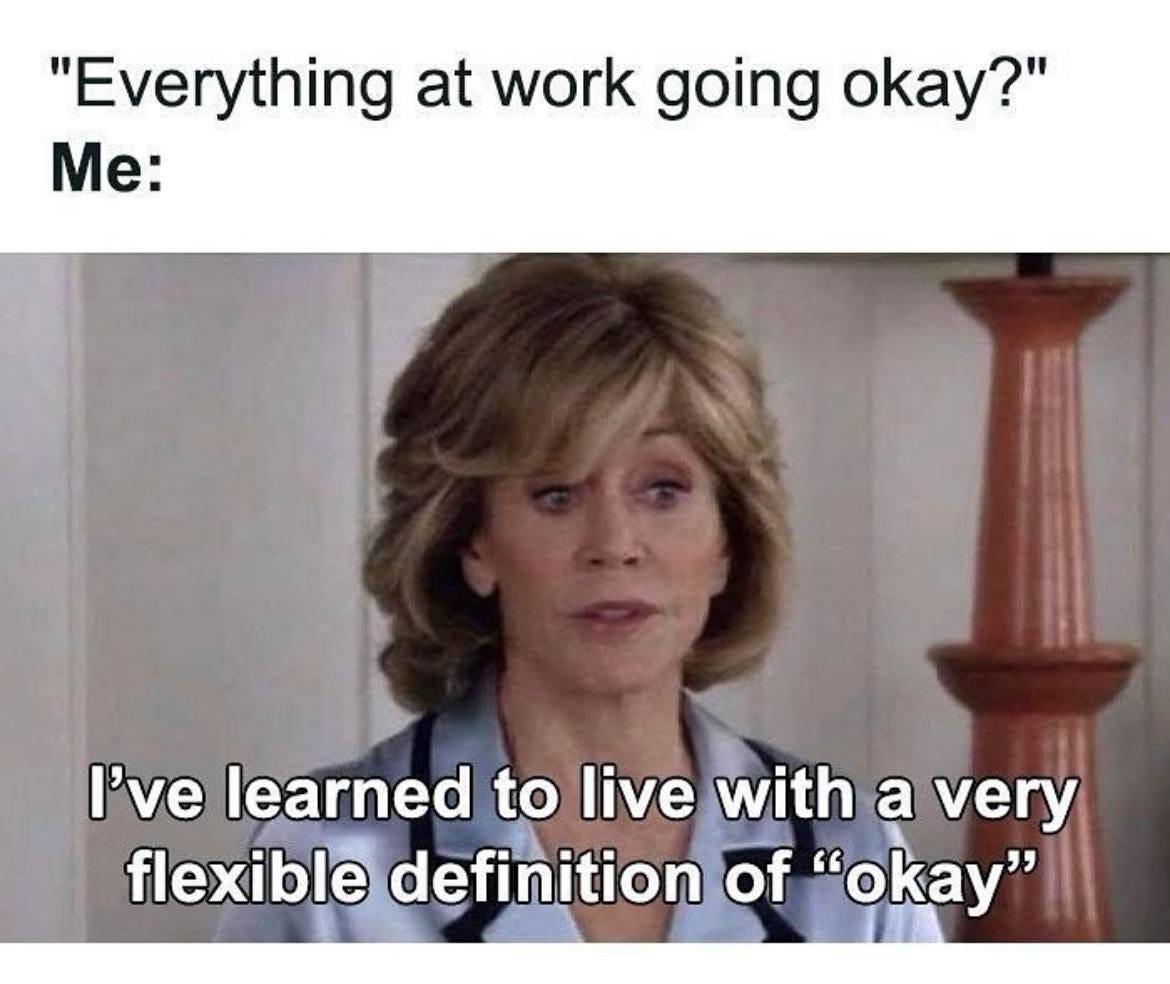
My new friends in Berlin are nice and interesting people, but they don’t always have the capacity to support me.
As I’ve had some bad experiences in this area in my family, too, it really hurts when a new friend shows up like this.
Conversation 1:
— But why do you need an exam preparation course? Why not directly take the exam?
— Because I want a relaxed life. I want to slowly train my brain for the specific exercises they offer during the exam, to have a teacher’s guidance, and an external structure.
— I was more relaxed when I had to learn myself and not follow.
Conversation 2:
— What are you doing?
— Mostly feeling overwhelmed, to be honest… My German class was canceled today, and I felt lonely. So I went to the Russian-speaking event hoping it’ll feel familiar and warm, but most people were straight there, and I didn’t fit in well. Now I’m waiting in the dark for the bus back home.
— Ah, so you could just consume, without having to feel alone...
February 20
On the weekend, I helped a friend build some IKEA furniture. She invited another friend, so we were three. Still, it took a lot of time and energy. We had fun, though.
I went, even though I only wanted to lie down and not move anymore. I know she needed a hand because she cannot afford to pay someone.
We drank a lot of Turkish coffee and had mantı for lunch. For some reason, Turkish mantı are tiny, 2-3 times smaller than the regular Russian dumplings. I only knew Uzbek manti before, and they are 2-3 times larger than regular Russian dumplings.
We were making many jokes about our “Russian-Turkish furniture assembly team in Adidas pants”. We all work in tech, and we were joking that we could have moved into the handwork industry as a team if we'd wanted to; we’d know how to get orders. We all are in many diasporic Telegram chats and Facebook groups, and people in Berlin move all the time. Probably lucrative.
I learned how to use a power screwdriver. We dropped the mirror, but fortunately, it didn’t break. The wardrobe wouldn’t fit in the hallway, even though we had measured everything carefully, and so it had to stay in the room after we’d assembled it. We ran short on screws. Still, we managed to finish nearly everything.
I turned on music on my phone for a nice atmosphere. I usually listen to classical baroque, so the next composition after Bach was Albinoni. My friend's friend said it was too sad. We needed something more upbeat.
I don’t usually listen to anything upbeat. Once in the 90s, I tried to make a mixtape of “cheerful songs” but failed. I already had 4 volumes of “melancholic songs” by then, but I didn’t have enough cheerful ones to fill one.
I turned on the “gay disco” playlist: Donna Summer, Bronski Beat, The Weather Girls. It was fun for a bit.
Then my friend's friend said he had a song request. Sure, I answered.
Do you mind listening to Molchat Doma, he asked. Or at least Spleen’s Pomegranate Album?
I was wide-eyed, surprised to receive requests for Russian songs that, in my opinion, are not at all upbeat. Molchat Doma are Belarusian, and the vibe is postapocalyptic. Spleen’s Pomegranate Album was released in 1998, at the height of my teenage years. It was more about the world's hopelessness and chaos. But then again, I focused on the text of the songs. It is a rock band, so it’s also loud.
I found Vykhoda Net (literally “no way out”).
How many years have passed? — the wires still hum the same,
The planes still wait for the same sign.
A girl with eyes of the bluest ice
Melts under the fire of a machine gun.
Someone has to melt, after all.
Dawn is near, there is no way out —
Turn the key, and off we fly.
You have to write in someone’s notebook
With blood — like it was done in the subway.
There is no way out.
— There is no way oooout, — I sang, hammering plastic wall plugs into the cabinet.
— There is no way oooout, — sang my friend’s friend, brandishing a cordless screwdriver, and his feather-shaped earring bounced on its chain.
Turned out he studied Russian long ago and listened to rock music to practice his listening skills.
February 26
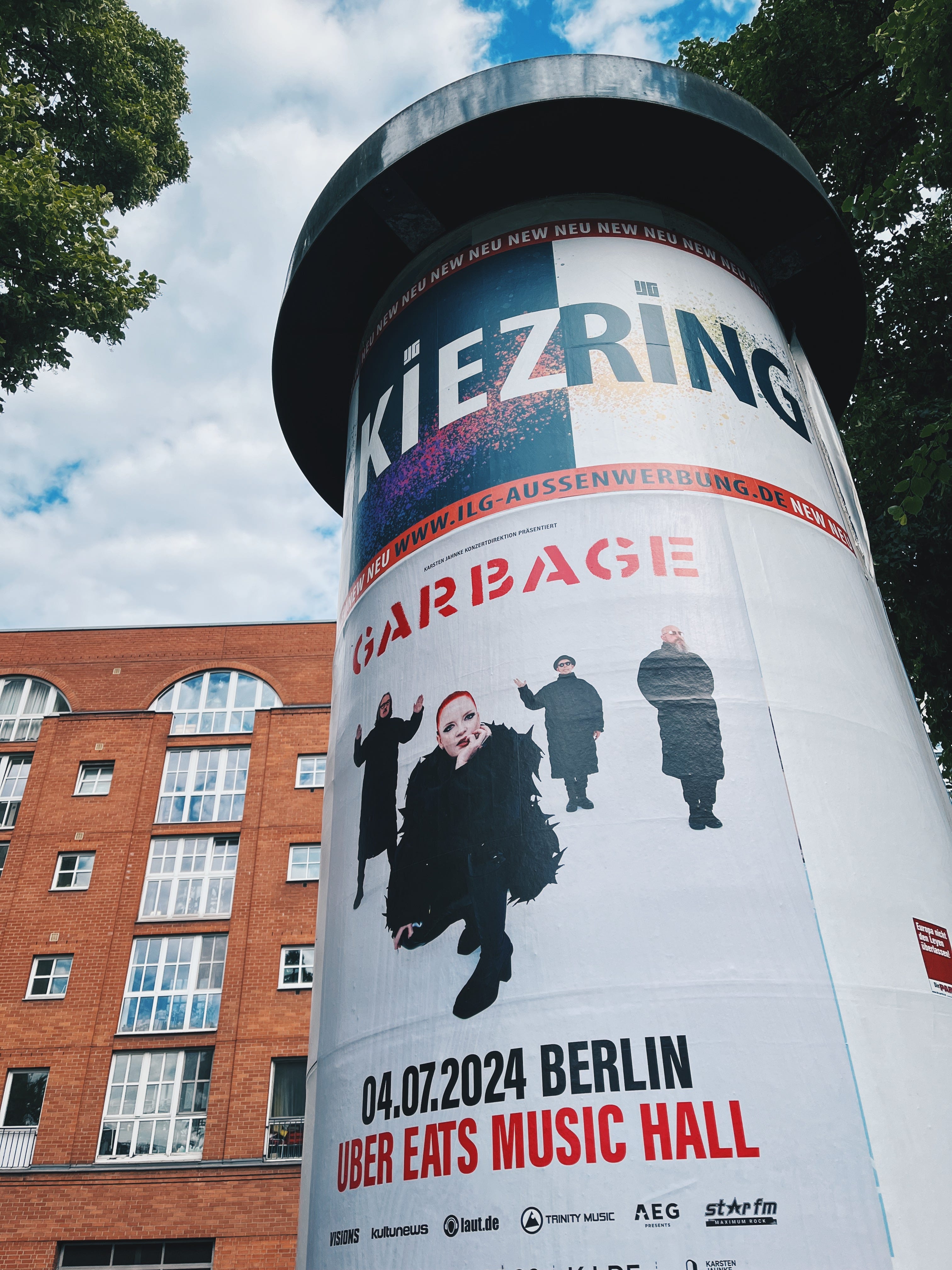
A friend asks me: how long one should live in a new city before you can say that the city itself is good, but you might need antidepressants. Or maybe you really hate the place itself. How to spot the difference?
She says that it was easier to live in her home country, less friction. The same amount of effort generated more impact. She never had to receive eight paper letters from the electricity provider, which prides itself on being “fully digital”. She never had to choose an electricity provider. She could focus on other things.
She never had to plan meetings with friends in 2-6 weeks. You just visited them, and they were home, happy to see you. Berlin feels unfriendly, the language heavy. Too many rules, too much cognitive effort required. No work-life balance at a startup she found a job at. She is in tech, but her salary isn’t high enough to even claim a Blue Card visa. No sense of having done the emigration correctly. The sense of constant survival instead, although you’re supposedly in safety.
She moved here because of the economic and political situation in her home country, but it’s been a year, and it’s still too challenging in the new place. She asked for a doctor's appointment to discuss it.
— Since when do you feel it’s especially tough? — I ask.
— Maybe from October, — she answers.
— Do you take Vitamin D? If there was more sun in your home country, that’s another potential thing.
She sighs and adds “buy Vitamin D” into her already long to-do list.
March 2
I was postponing the to-do “Research swimming pools in Berlin and try visiting some of them” since 2022. Back in St. Petersburg, I’d had a swimming pool, Natasha, not far from me (yes, named after a person; no, I have no idea why).
Natasha was small, cozy, full of indoor plants, lost in the backyards behind the subway station and two cemeteries. During the lunch break, office workers swam there. In the evening, people living close by. I was self-employed, so I arrived in the morning, with the old ladies’ shift. Sometimes, especially on bank holidays, when everyone had other plans and the pool was still open, I swam alone. It was amazing, but it took me some time to research Natasha and start going there at first, too.
I finally decided I’m ready to look for swimming pools in Berlin, starting with the one within walking distance, only to learn that it’s closed indefinitely.
March 12
The voice note I recorded to my friend:
— Can you imagine that I was finally able to read a book in German?! I know that I’ve been studying it for a long time, so it’s logical that at some point, I should be able to. But I tried again and again and failed. In Spanish, I could already read at level A2; it takes way more time in German because of the sentence structure and the more words one needs to know first. So, I tried this book six months ago when I found it on the street; it’s a graphic novel, so I was hopeful, but I couldn’t get through. And finally, today it worked!! I am so proud and happy to finally read a book and look up only one or two words per page. There is a dedication on the first page of the book from 2011: someone says, welcome to Berlin; here is a little autobiographical comic about a graphic designer. Little! It has 300 pages.
March 14
A quote from Janine Jembere:
Having born in the GDR, a state that no longer exists, and seeing adults trying to adapt to another system and possible future really helped me to understand that the status quo is not permanent and can, for better or worse, turn into its opposite any day.
I have, mostly through the unsettled adults around me, experienced a major and radical change of ideology and self-understanding. That created a huge repository of hope, because the present often seems devastating, but I truly believe in its instability. It’s urgent for me to imagine different relations and this also drives my work.
March 17
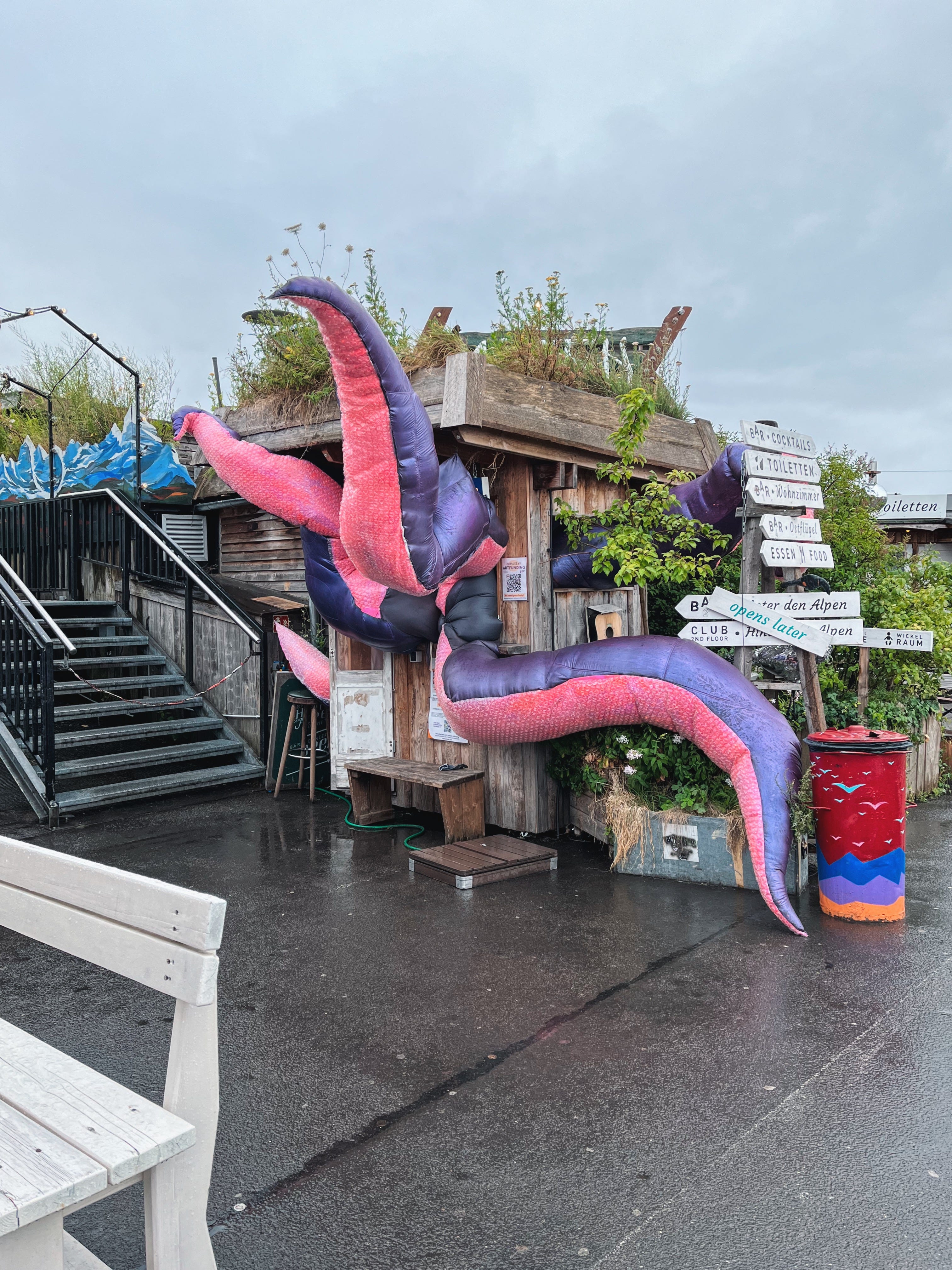
I am still on Duolingo. It has only the lessons up to B1, and I am determined to go through all of them. It’s a good practice to type and repeat.
But sometimes it is offensive.
In the tab “Review your recent mistakes”, I see only one:
Translate this sentence: I can’t rest because I have to work.
March 20
My DPD packet wasn’t delivered to my home (was it ever? I live on the top floor without an elevator) and was instead dropped at a shoe repair kiosk.
I thought a sentence up and prepared to speak German. Sweated it through. Entered.
— Ich hab ‘n Paket bekommen.
The shoe master with a grey beard glances at my plastic ID, sees my surname, and answers in clear, warm Russian:
— Please sign here, my dear.
I was walking home, tearing up from such unexpected warmth in a city that feels foreign but is not completely so.
March 22
My fortune cookie said today:
The most important things to maintain are the foundations.
March 26
The urbanists who earlier created the festivals and collabs in St. Petersburg, bringing speakers from all around the world there, obtained humanitarian visas in Germany in 2022 and are now settled in Berlin. They are quite sad about losing ties to the country they love(d), so they organized a Russian-language conference with English translation in Berlin.
An urban cemetery researcher, Pavel, came from Stockholm to give a talk, “Cemeteries as a special type of public place.“
There was also a cemetery walking tour, and I was able to get a spot there before it quickly sold out. Here is what they put on the corresponding flyer: “The presence of the dead among the living will be a daily fact in any society which encourages its people to live”.
April 10
A new friend whom I’ve cared for a lot, and with whom we’ve been through a lot in the last year, fell in love with me. I didn’t. And I told her from the beginning that I am only looking for friendship.
In the end, we had to stop speaking because no matter how we tried, it didn’t work anymore. We both were devastated and sad to lose our connection, but there wasn’t a way to keep it without hurting each other.
Life is a mean joke: I wasn’t even dating because I don’t have energy for it, but I got into a tough breakup.
April 15
What I wanted from my new cool job in Berlin: to learn more about international markets, to meet people from everywhere who could become my friends, to have a work-life balance.
What I learned at my new cool job in Berlin: to write short emails without overexplaining.
Hi Peter, thank you for your email.
After careful consideration, we decided not to renew the contract.
April 21
I suddenly remembered that in 2013, after trying to emigrate for the first time (unsuccessfully), I was actually considering living in Berlin with a language study visa. I eventually dropped the idea because of the costs and lack of clarity, but it’s interesting to think about how the idea — to live in Berlin — had already been in my mind a decade ago.
And now, I’m living in Berlin.
I always envied people whose parents could afford to send them abroad to “learn a language through immersion“, to the country where this language is spoken. And now? I find myself learning a language through immersion! Yes, with a tough job on the side, and the language is German, although my language wish list includes Polish, Arabic, and Hindi. Or I could revive my Spanish or French. But still, I am learning by immersion.
I was just too busy to notice.
May 15
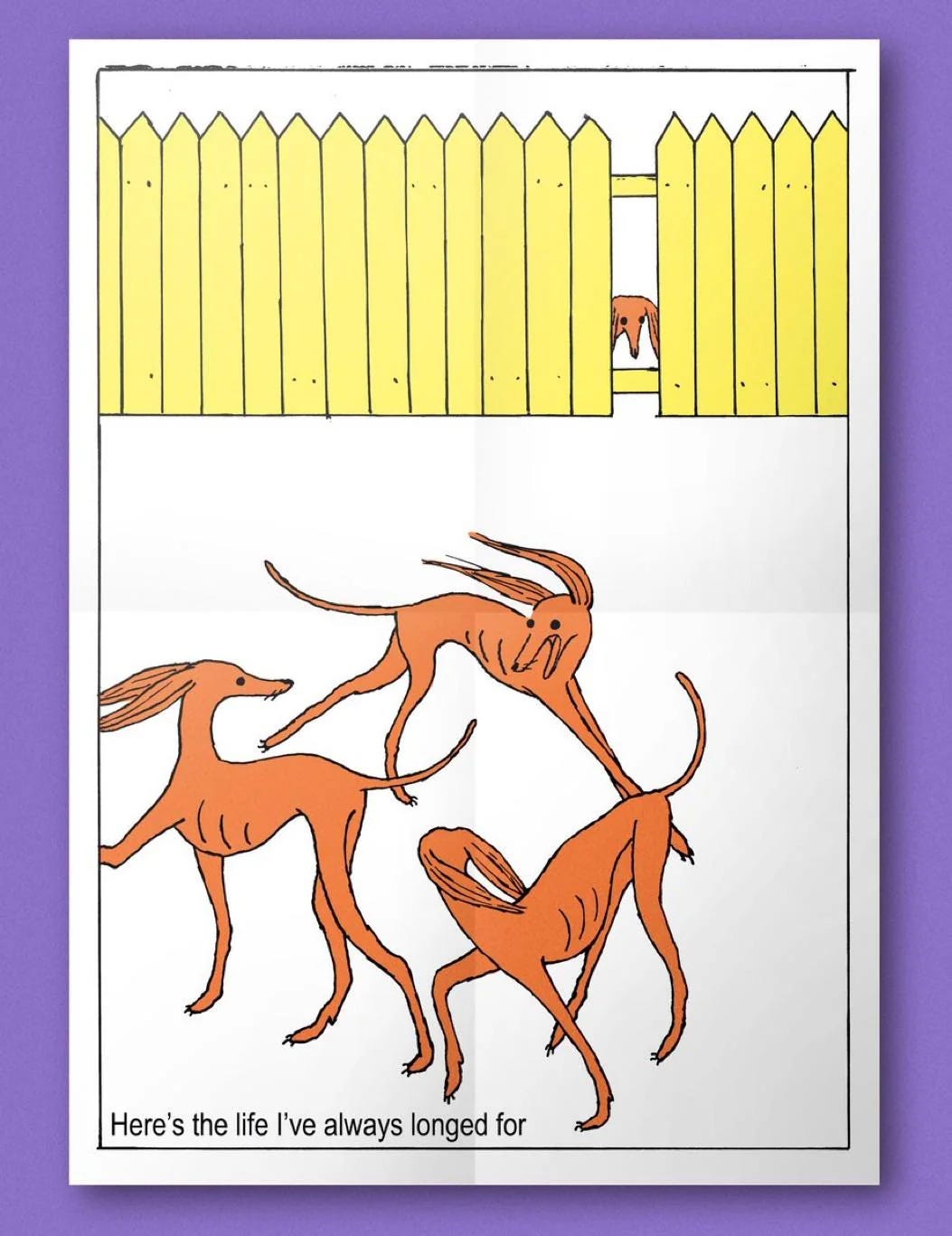
At the Comic Invasion event, I saw Anna Haifisch’s “Dog Thoughts” and couldn’t leave without buying it. It was just too good, and very much about Berlin how I see it.
I tried to think of someone I could give it to as a gift, but quickly realized I needed it myself. Something similar happened in 2016 with the idea of personal therapy.
It perfectly matched my living room.
June 3
A quote from “The Bad Muslim Discount” by Syed M. Masood:
I began to walk, not knowing where I wanted to go.
It is strange, wandering in a city you are intimately familiar with, because even when you don’t know exactly where you are, you never feel lost. You always know, more or less, how to get back home.
I think I reached that stage in Berlin after exploring it intensely.
It is such a warm thought.
July 7
There are two types of reactions coming from new people I meet in Berlin.
How long have you lived here? Two years! Whoa, longer than me.
Two years? So you just have arrived. You’re a baby 🥹
July 11
Things I never knew I needed before they happened to me:
live in Berlin;
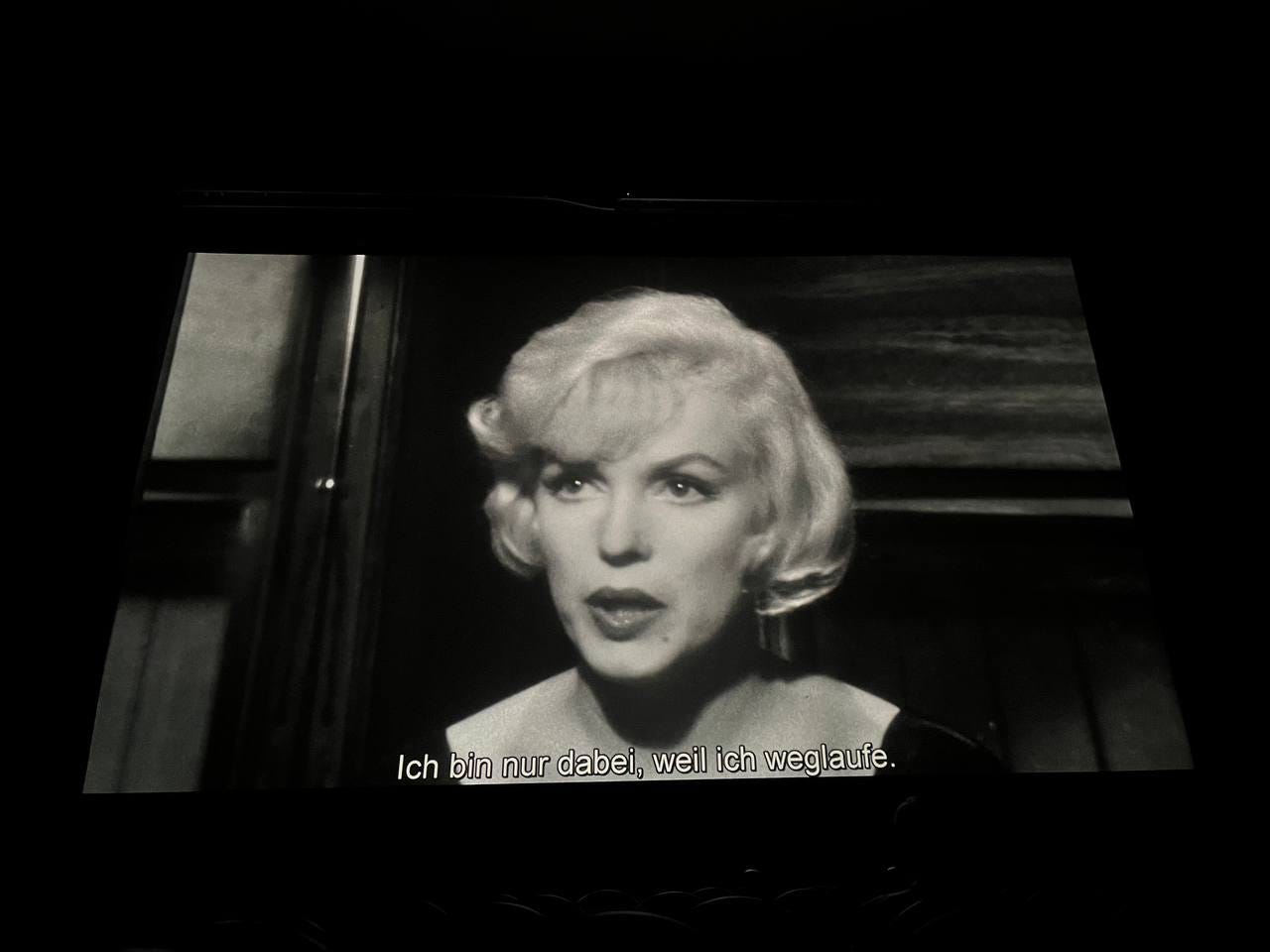
rewatch Some Like It Hot for the hundredth time but on a big screen.
This screenshot is too relatable: I am only here because I was running away ❤️🩹
August 8
Had another friend break-up. From both sides, we felt we wanted something that the other side didn’t have. We had to go our separate ways.
I understand it happens, and I am happy I have a therapist to work through it, but it’s very lonely to process such events when they were your closest local friend.
September 12
More difficult questions from foreigners that require research and a PowerPoint presentation:
Why does a part of Russia, Kaliningrad, exist separately from the country now, and why was it called Königsberg before?
How could people consider the Monstera plant to be a bad energy plant? And if they think so, why do they put it in the libraries and hospitals in Russia, as you describe, if there should be everything for health in the hospital?
What does it mean to buy a diploma in the subway? How could that diploma end up being official?
Why did your family use a Turkish cezve to prepare coffee if you didn’t have any connection to Turkey?
Why did some people try to hide their ethnicity in the USSR and wanted to be considered ethnically Russian? What was the motivation?
There are two words for blue in Russian: blue (siniy) and light-blue (goluboy). Why are there two words for blue and only for blue?
Why was goluboy an euphemism for “gay”?
How could it be that in Russia some poor, precarious people own an apartment? Isn’t it working in a different direction: first you become well-off, and then you get an apartment?
Why is “Russian” both an ethnicity and citizenship? How do you differentiate between them if the word is the same?
Would you say that the USSR was an empire, or is another term better fitting?
If there are some people wanting to emigrate to Berlin- queers, activists- but they cannot find a job because they are not in tech, why can't they simply arrive in the EU as refugees?
You don’t smile in the photo on your Russian passport, but you do in the photo on your German ID. Why is that?
November 3
I decided to spend my bday at HKW, a space I grew to love. I invited some friends. We visited the “Multiple Motherlands” exhibition (symbolic for someone turning 40 in emigration), and shared a drink.
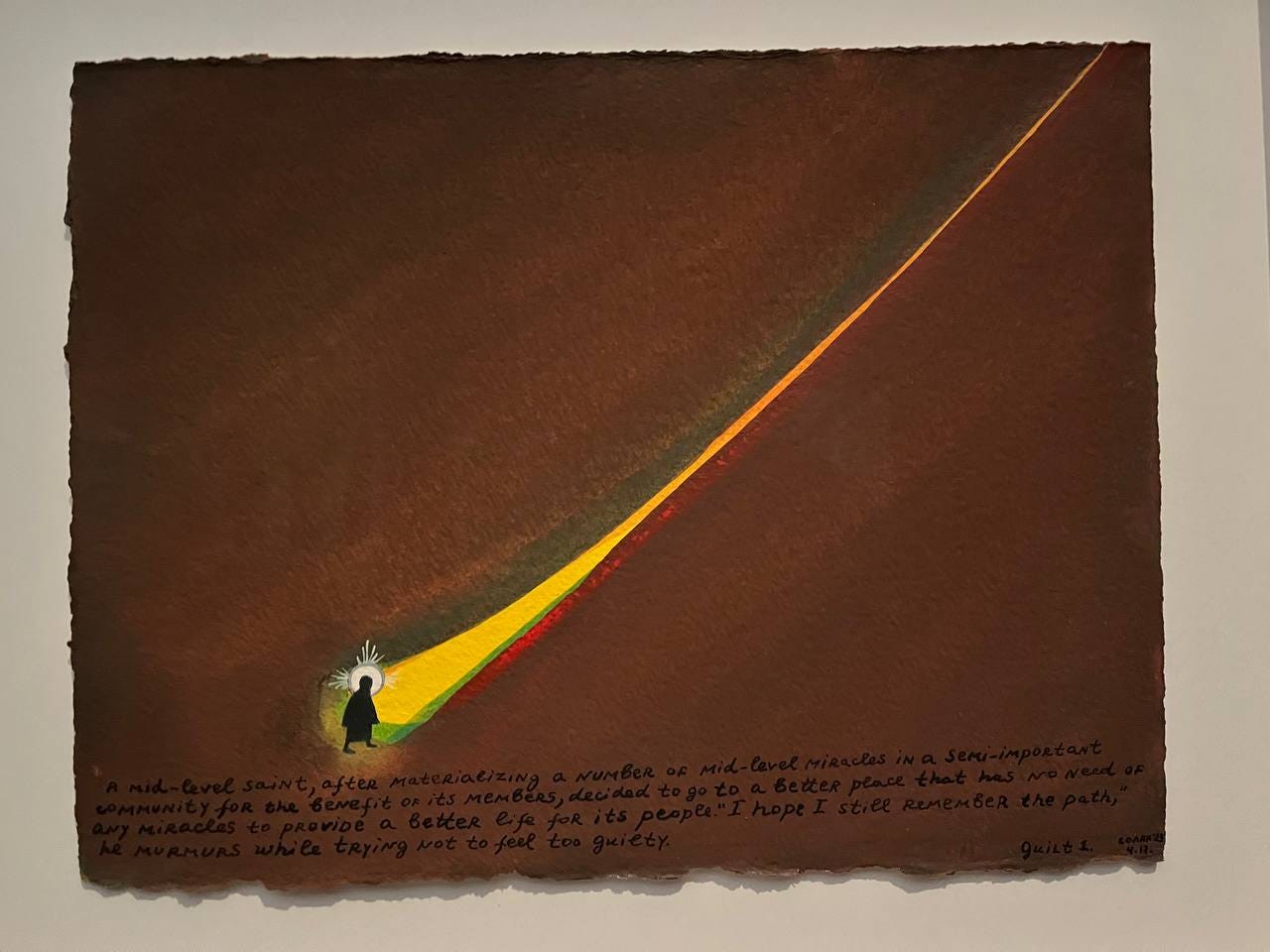
One picture stayed with me because of the text below:
A mid-level saint, after materializing a number of mid-level miracles in a semi-important community for the benefit of its members, decided to go to a better place that has no need of any miracles to provide a better life for its people.
“I hope I still remember the path,” he murmurs while trying not to feel too guilty.
Thank you for reading 🫶🏻
I am happy to hear your thoughts — in a comment or email.
Continue reading:
Arriving: Year 4

See notes from the previous years here: 2022, 2023, 2024. This is the last part (so far).
Heartwarming as usual. Relatable in some ways, not so much in others, but there's one thing I'm 100% with you on: migrant life, in all its different forms, is overwhelming.
I struggled in Amsterdam because I didn't have any friends of my own, and I still wasn't allowed to work. My new husband had to support both of us, and contrary to the general belief in Bulgaria, gold wasn't just lying around on the streets.
I wandered the crowded, windy streets of Amsterdam, trying very hard not to get hit by a bike, thinking that I didn't see any familiar faces and that I was a total stranger there. It took me a long time (3 three years) o make my first real Dutch friend, and another three years to make my second. These are two women I will be forever grateful to, and with whom I still have a strong friendship, even though I don't live in the Netherlands anymore.